**What Are The Most Effective Energy Solutions for Homes and Businesses?**
Rising energy costs and environmental concerns have ushered in a new era for homeowners and businesses alike. With climate change increasingly in the headlines and utility bills skyrocketing, energy solutions are becoming as important as ever. But what are the most effective ways to optimize energy usage and reduce your carbon footprint? In this comprehensive guide, we explore the most impactful energy solutions tailored for both homes and businesses, highlighting their advantages, practical applications, and how to get started.
Understanding Energy Efficiency and Renewable Energy
Before delving into specific solutions, it’s crucial to understand the difference between energy efficiency and renewable energy.
**Energy Efficiency** focuses on using less energy to perform the same tasks. This can be achieved through modern technology, smarter practices, and advanced systems. For example, using LED bulbs instead of incandescent bulbs delivers the same amount of light but consumes much less electricity.
**Renewable Energy** refers to energy generated from sources that are naturally replenished, such as sunlight, wind, and water. It offers a pathway to sustainability and significantly reduces greenhouse gas emissions.
Both approaches—often combined—deliver benefits like cost savings, sustainability, and improved comfort, making them a win-win for homes and businesses.
Top Energy Solutions for Homes
Transforming your home into an energy-efficient haven is easier than ever with the following solutions.
**1. Solar Power**
Solar panels are perhaps the most recognizable renewable energy solution, converting sunlight directly into electricity.
- **Rooftop solar panels** are becoming more affordable and efficient, often supported by local government incentives and grants.
- **Solar water heaters** are another excellent investment, reducing energy consumption for heating water.
- **Incentives and grants**: Many regions offer financial incentives for adopting solar, making the upfront costs more manageable.
**2. Energy-Efficient Appliances**
Replacing old appliances with newer, energy-efficient models can dramatically reduce household energy consumption.
- **Smart thermostats** automatically adjust heating and cooling, optimizing temperature settings for comfort and savings.
- **LED lighting** is up to 80% more efficient compared to traditional bulbs, lasting longer and consuming less power.
- **Energy Star-rated appliances** are independently certified to save energy without sacrifice in performance.
**3. Home Insulation and Smart Windows**
Poor insulation leads to significant energy waste, especially during extreme seasons.
- **Types of insulation materials**: Options range from fiberglass to spray foam, each with specific benefits.
- **Double or triple glazing** in windows offers enhanced thermal performance, keeping homes warmer in winter and cooler in summer.
- **Impact on costs**: Improved insulation and windows reduce heating and cooling expenses by as much as 40%.
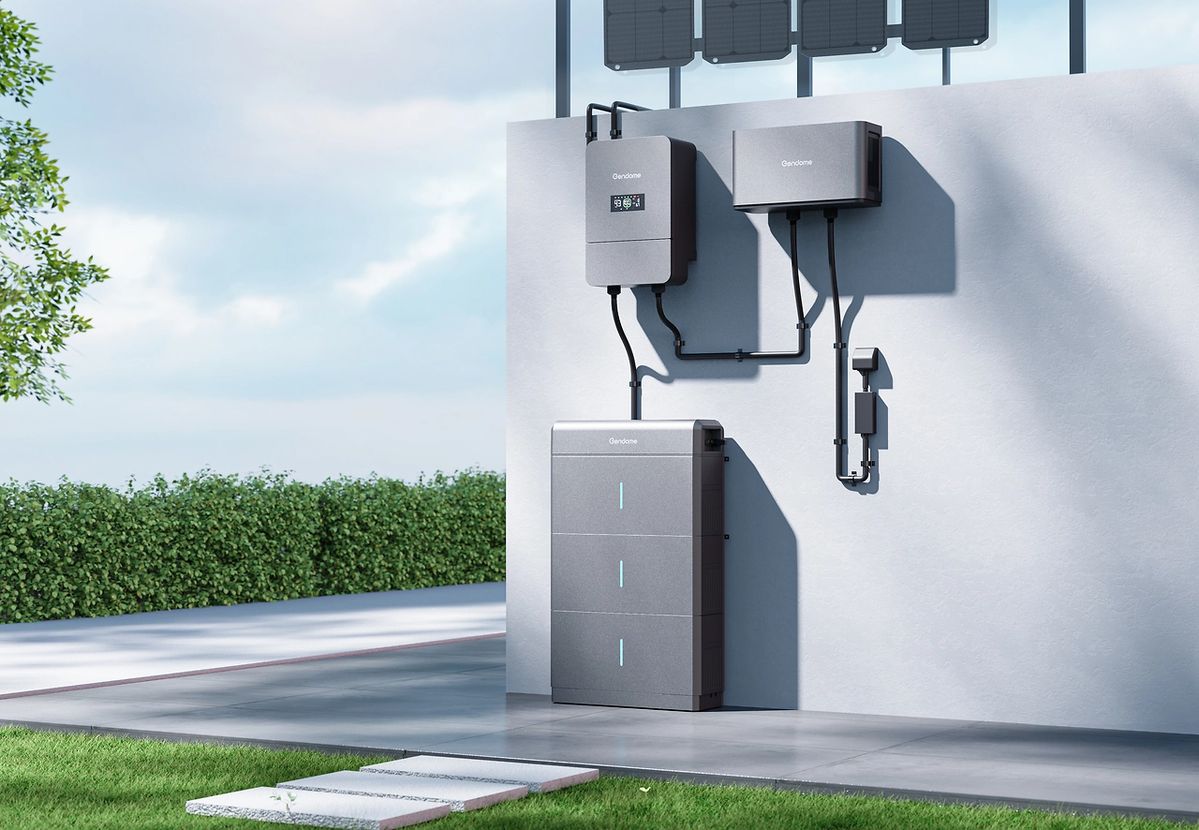
**4. Battery Storage Systems**
As solar panels generate energy, battery storage systems ensure excess electricity is stored for use during nights or cloudy days.
- **Benefits**: Increased energy independence, protection from power outages, and maximized use of renewable energy.
- **Grid independence**: Homes are less reliant on utility companies and benefit from lower energy bills.
**5. Automation and Smart Home Technology**
Smart home devices let you monitor and control energy usage remotely.
- **Remote monitoring and control**: Use your smartphone to turn off unused devices or lower heating when no one’s home.
- **Optimization**: Automate lighting, temperature, and other systems for efficient energy usage.
Top Energy Solutions for Businesses
Businesses, big and small, are recognizing the importance of sustainable energy solutions. Here’s how organizations can upgrade their energy strategies.
**1. Commercial Solar Installations**
- **Rooftop solar systems** convert sunlight into substantial amounts of electricity, reducing reliance on fossil fuels.
- **Ground-mount and carport solar systems** provide flexible installation options for larger spaces.
- **Power purchase agreements (PPAs)** let businesses adopt solar with zero upfront costs, paying only for the electricity used.
**2. LED and Intelligent Lighting Systems**
Lighting is a major energy consumer in commercial properties.
- **Motion sensors** and timers turn lights off automatically in unused areas.
- **Dimmable and ambient settings** improve comfort and save energy.
**3. Energy Management Systems (EMS)**
Advanced EMS platforms monitor and analyze real-time energy consumption.
- **Real-time monitoring** identifies inefficiencies quickly.
- **Data-driven optimization** continuously improves operations, resulting in substantial cost savings.
**4. Green Building Certifications**
Certifications like LEED, BREEAM, and ENERGY STAR recognize buildings for high energy efficiency and sustainability.
- **Advantages**: Enhanced brand reputation, tenant attraction, and investor appeal.
- **ROI**: Certified buildings often see increased occupancy rates and lower operating costs.
**5. Sustainable HVAC Solutions**
Heating, ventilation, and air conditioning (HVAC) systems can consume vast amounts of energy.
- **High-efficiency units** reduce consumption substantially.
- **Regular maintenance and upgrades** ensure systems run efficiently, further diminishing energy waste.
**6. Employee Awareness and Training**
A culture of energy consciousness in the workplace can boost savings significantly.
- **Energy awareness campaigns** educate teams about the importance of conservation.
- **Incentivizing conservation behaviors** motivates staff to adopt best practices, like shutting down equipment when not in use.
How to Get Started With Energy Solutions
Whether you’re a homeowner or a business leader, the first step is an energy audit. Evaluating your energy consumption helps identify inefficiencies and opportunities for improvement.
- **Contact local energy consultants** for professional assessments.
- **Research available incentives & rebates** for upgrades.
- **Prioritize quick wins:** Start with solutions that deliver immediate savings, then plan for larger investments.
Future Trends in Energy Solutions
Advancements in technology promise exciting new energy solutions:
- **Smart grids** enable real-time communication between utility providers and consumers, allowing for dynamic energy management.
- **Electric vehicles (EVs)**, paired with home or commercial charging stations, integrate seamlessly with solar solutions.
- **IoT and AI** optimize energy usage across buildings, automating everything from appliance performance to temperature control.
Conclusion
The most effective energy solutions combine efficiency and sustainability, tailored to the unique needs of homes and businesses. From solar power and smart appliances in residences to advanced energy management and green certifications in commercial spaces, the options are vast and evolving. By embracing these solutions, you unlock substantial cost savings and contribute to a greener, more resilient future. Start with an energy audit, implement practical upgrades, and stay informed about emerging trends to maximize your energy conservation efforts.
Now is the time to invest in smart energy solutions—making your home or business a beacon of sustainability and innovation.